In progress ME 490 Capstone · BYU–Idaho · Fall 2026
INL Hydropower-Battery Display
Our ME 490 capstone team of four mechanical engineering students is building a portable tabletop display for Idaho National Laboratory (INL) that shows how power flows from a hydropower dam, through battery storage, to loads like a data center. I lead the design work and serve as team treasurer, managing our $5,000 budget.
Key Specs
| Role | Design lead & team treasurer (team of 4 ME students) |
| Course | ME 490 Capstone, BYU–Idaho · Fall 2026 |
| Customer | Idaho National Laboratory |
| Faculty mentor | Robert Holgate, Ph.D. |
| Budget | $5,000. I handle purchasing, spending tracking, and financial records. |
| Requirements | Portable, quick to set up, airline-friendly, visually appealing, shows power flow, recognizable scale replicas |
| Status | Concept generation · early mock-up and component models in progress |
| Last updated | October 2026 |
The brief
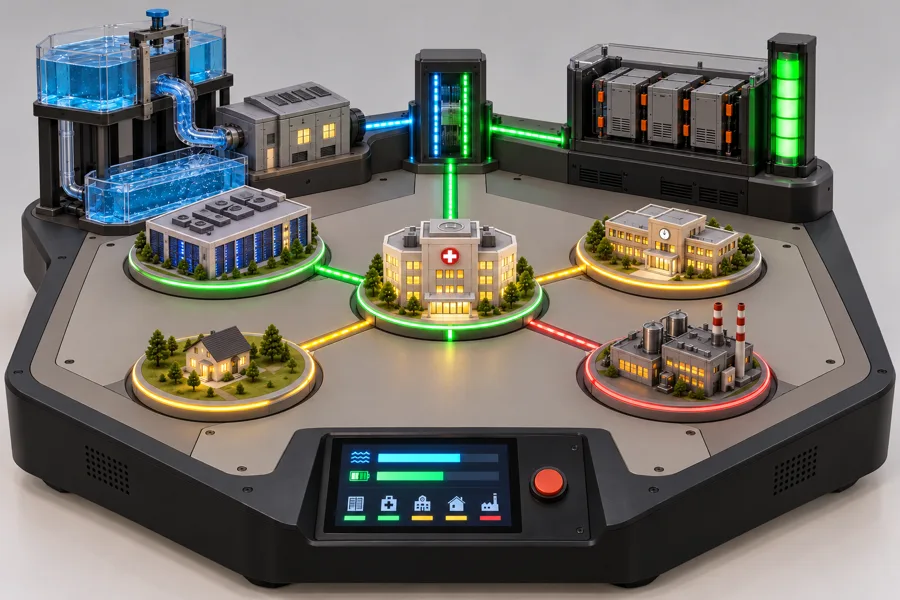
INL wants a portable display that explains how hydropower and battery storage work together. It has to be quick to set up and airline-friendly, look good, show how power flows through the system, and include recognizable scale replicas of real components like the dam and a data center.
Generating concepts
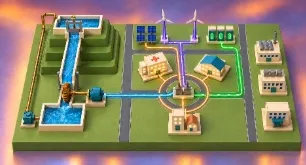
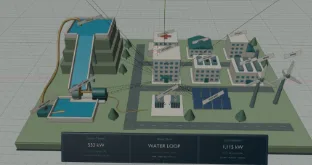
We are still generating and comparing concepts, and we are evaluating them against a requirement matrix built from those goals. The images below show the direction we are working toward so far, not a final design.
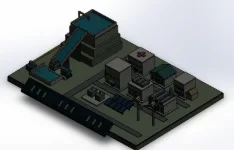
Early concept images
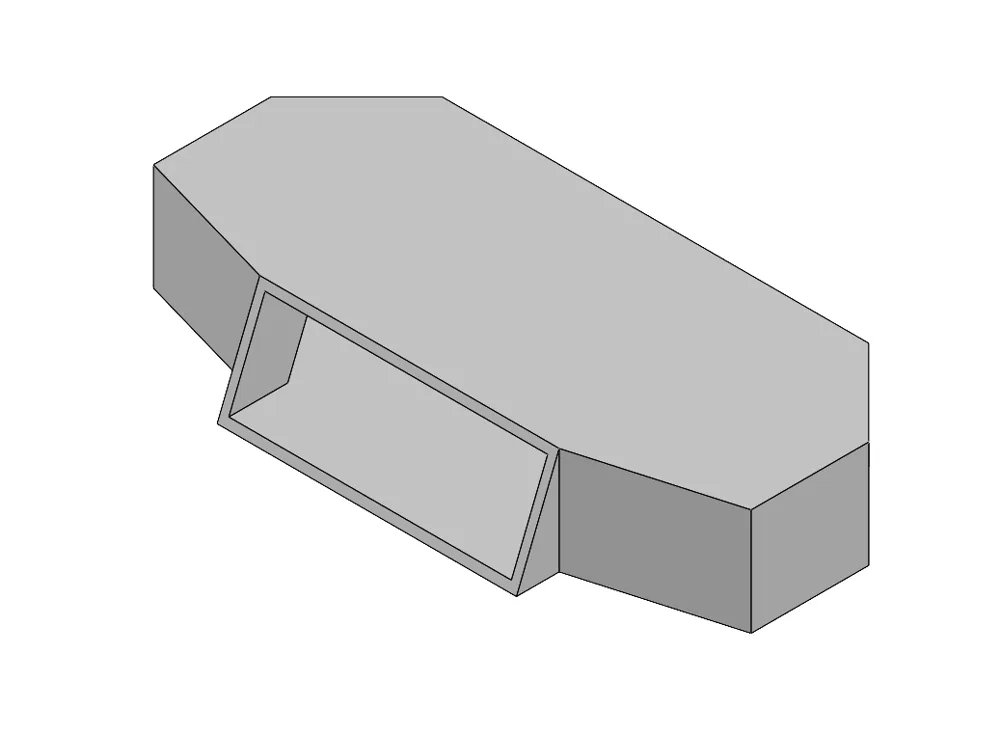
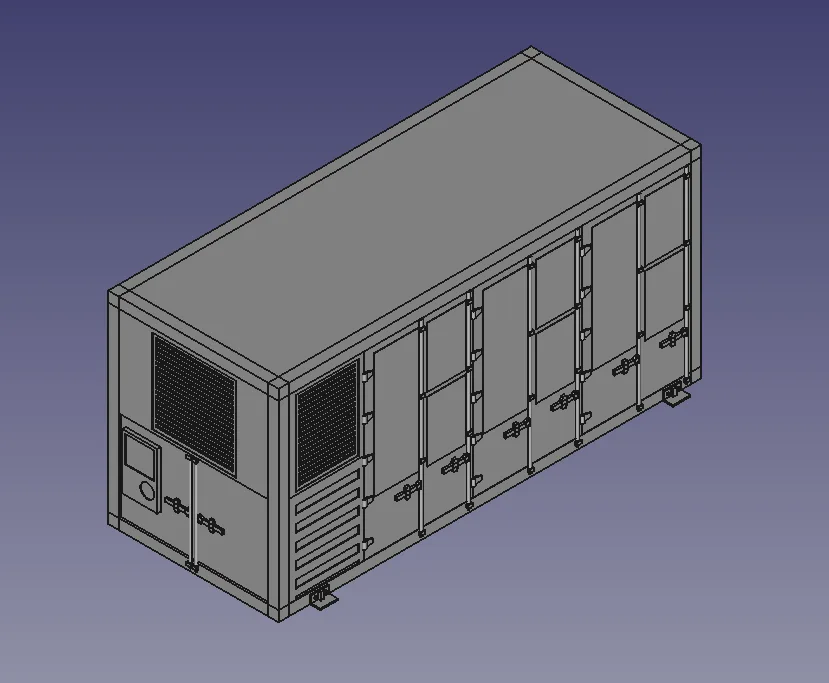
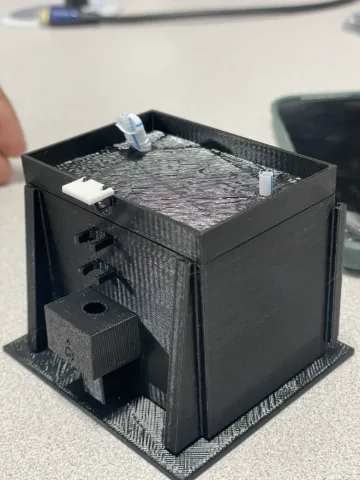
Early mock-up and component models
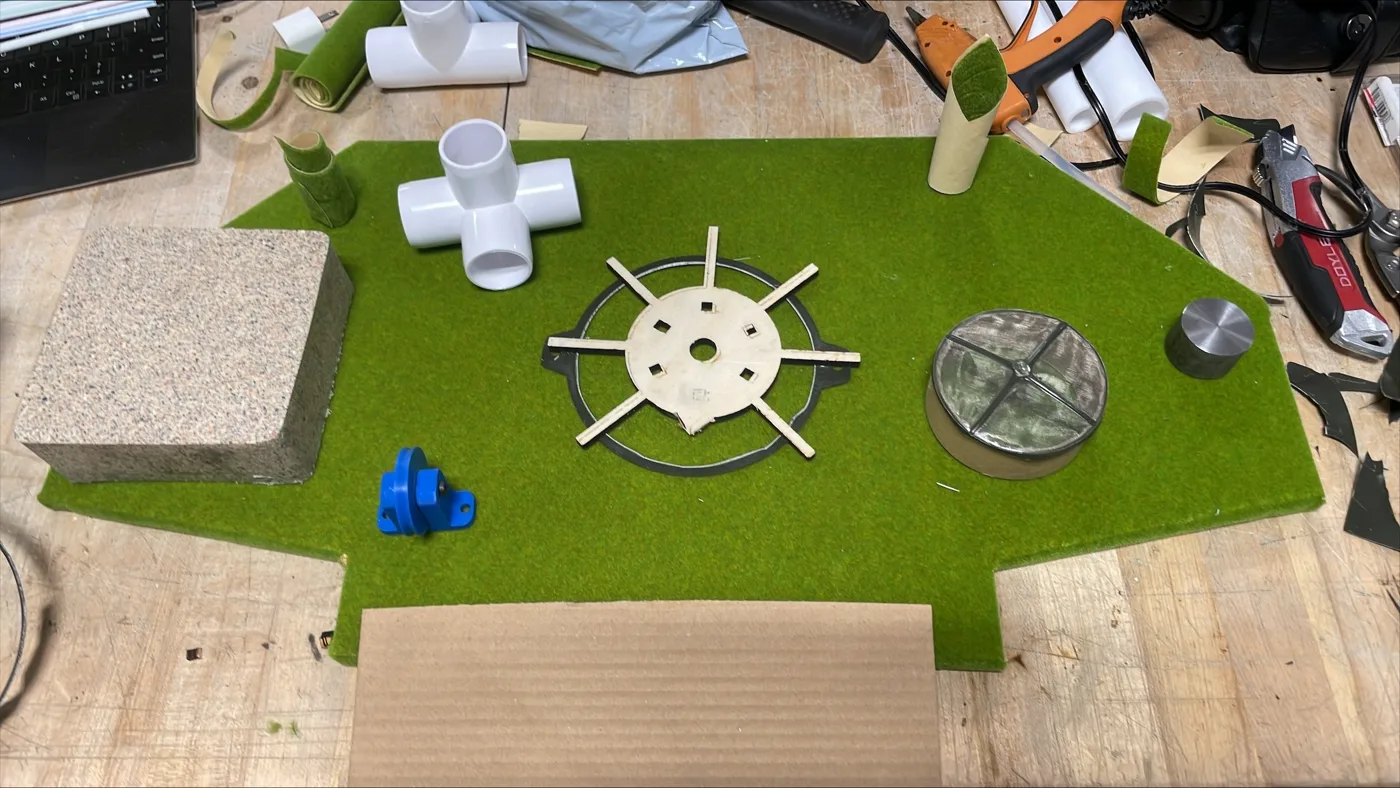
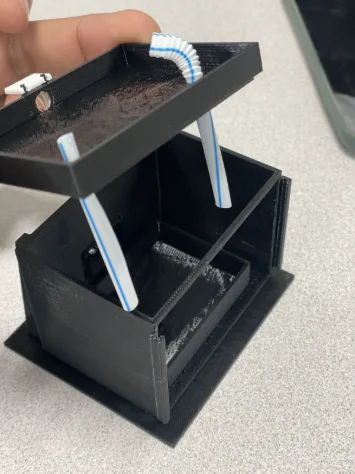
Alongside the concepts, we built an early physical mock-up to try out layouts, and we started modeling components the display will likely need: a containerized battery unit in CAD and a 3D-printed dam with a removable top and tubing routed through its body.
My role
As design lead, I guide the team’s design direction as we generate and evaluate concepts. As treasurer, I manage our $5,000 budget: I purchase parts and materials, track spending, and keep the project’s financial records.
What’s next
Finish generating concepts, choose a design using the requirement matrix, and then move into detailed design and building the display.