Check what the sensor is actually reading.
Thermogate’s thermistor was picking up heat inside its enclosure. Moving it outboard helped it measure the surrounding air.
Mechanical Engineering at BYU–Idaho · CSWP Certified
I’m Ankit, a mechanical engineering student with experience in CAD, fabrication, and hardware integration. My work spans machined parts, working mechanisms, Arduino controls, and manufacturing documentation.
Graduating December 2026 · Available January 2027 · Open to relocation
References
Feedback from people I’ve worked with on the plant floor, in the classroom, and beyond.
Ankit is someone you trust with your challenging projects. He is very independent and if he doesn’t know something he will learn it and give you a great solution.
 Robert Holgate, Ph.D.Mechanical Engineering Faculty, BYU–Idaho
Ankit played a key role in replacing our outdated TWI documents with operator-validated SOPs, and by the end of his internship, I trusted him to help onboard the next intern and carry the project forward with minimal direction.
 Victor ZamoraContinuous Improvement Manager, Basic American Foods
I have been consistently impressed by Ankit’s ability to tackle challenging technical projects. I have observed his skill in programming control strategies to balance inverted-pendulum robots, and I’ve seen him develop machine-learning algorithms to model motor behavior. His intellectual curiosity, combined with strong critical-thinking and problem-solving skills, makes him an excellent engineer.
 Ben PenceMechanical & Civil Engineering Faculty, BYU–Idaho
Ankit has been working as a Teaching Assistant for me over the past year. He has done an excellent job in all aspects of the work! He gets things done efficiently and on time. He does a great job interacting with the students in the classroom and answering all of their questions.
 Stephen TurcottePhysics Department Faculty, BYU–Idaho
Ankit is curious about everything, even stuff outside engineering. He showed me how an engineer tackles a problem: change one variable, test it, keep what works. I started running my sales process the same way. It made me a lot more deliberate. He’s sharp, he actually listens, and he’s always got an idea worth trying.
 Prabesh GuragainSales Manager, Land Rover San Francisco
Selected projects
These projects show what I designed, how I built it, and what changed after testing.
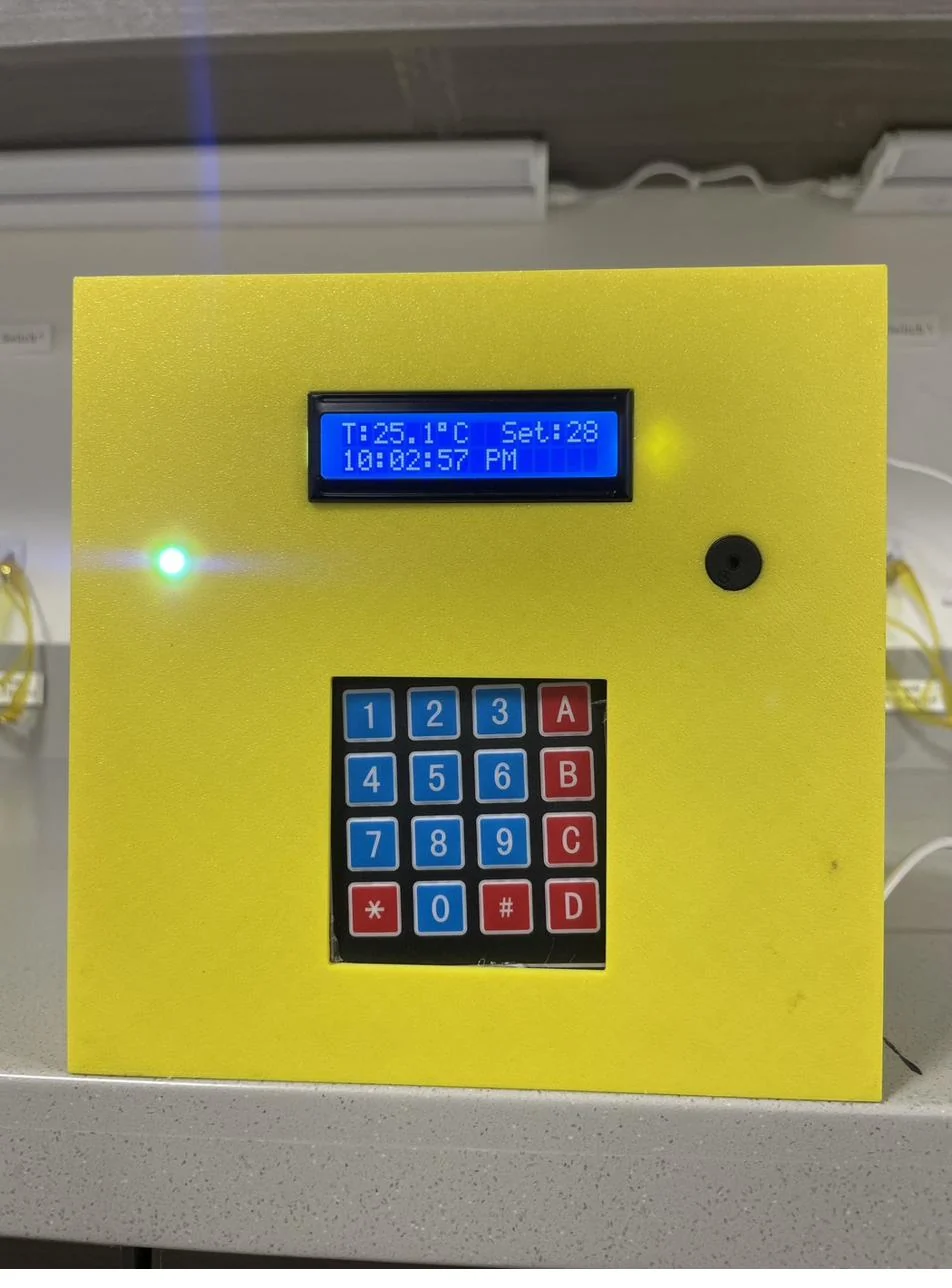
01 / Sensors, Controls & Mechanical Design
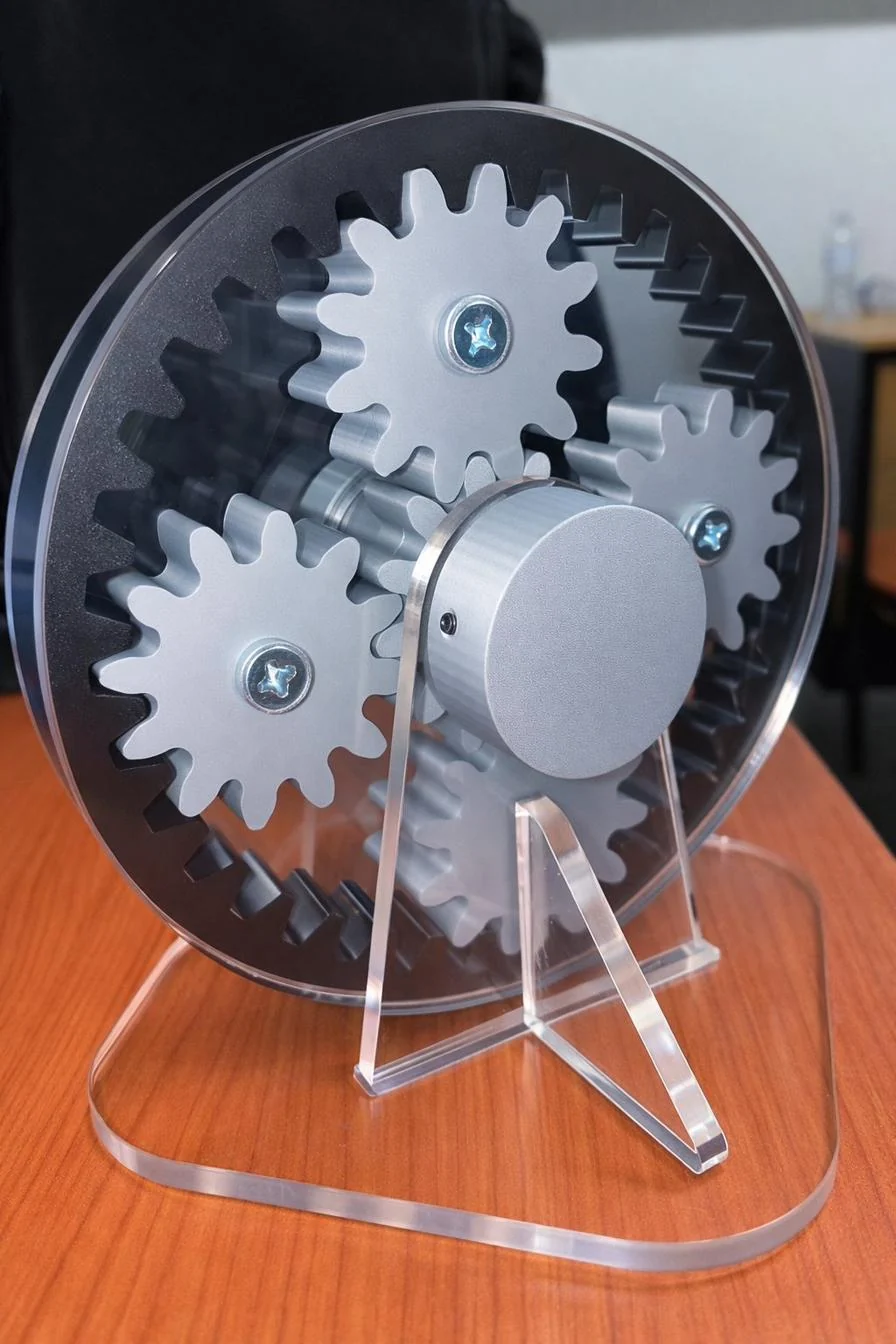
02 / Gear Design, Fabrication & Assembly
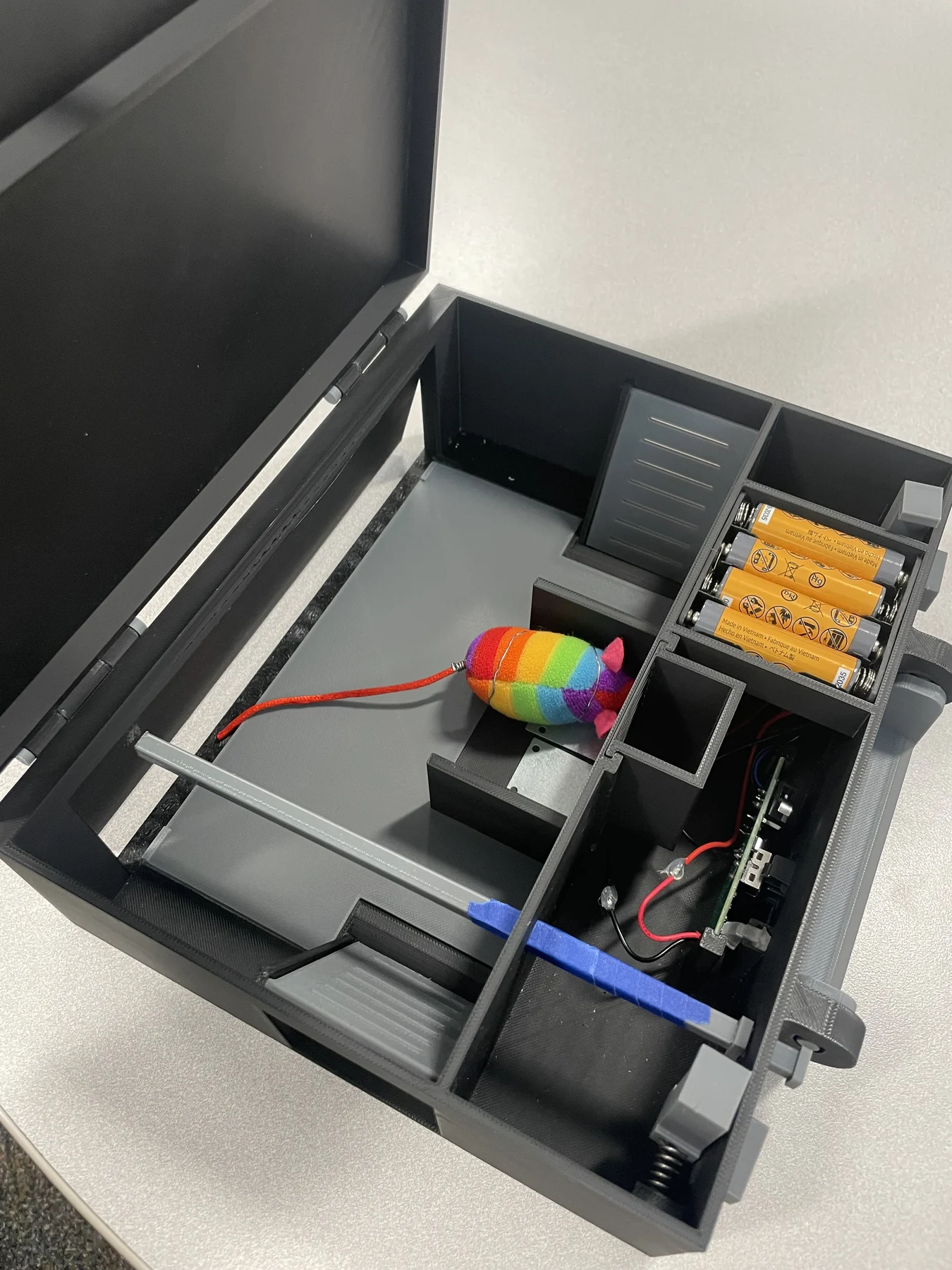
03 / Mechanism Design & Analysis · Team Project
Currently building.
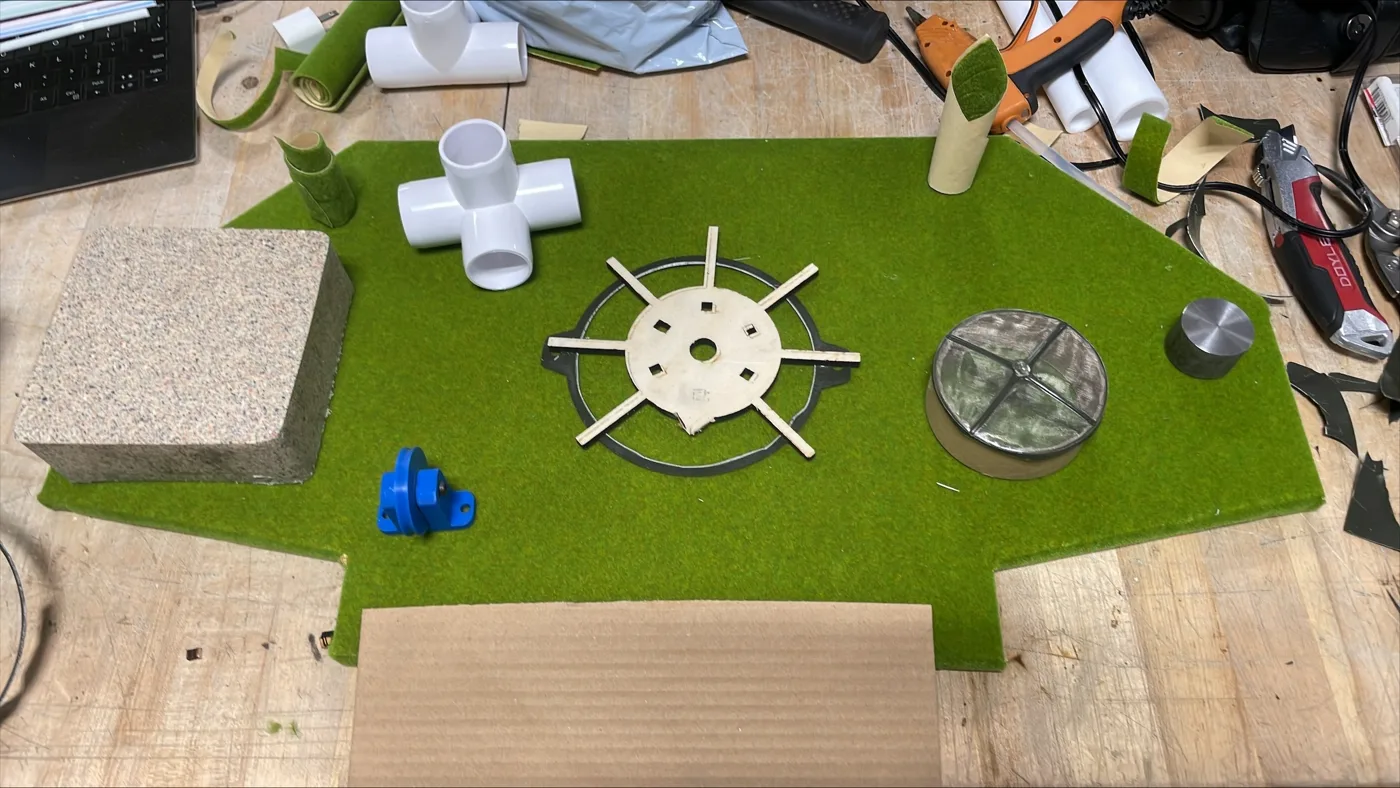
ME 490 capstone: a portable tabletop display for Idaho National Laboratory. I lead the design and manage the team’s $5,000 budget.
In progress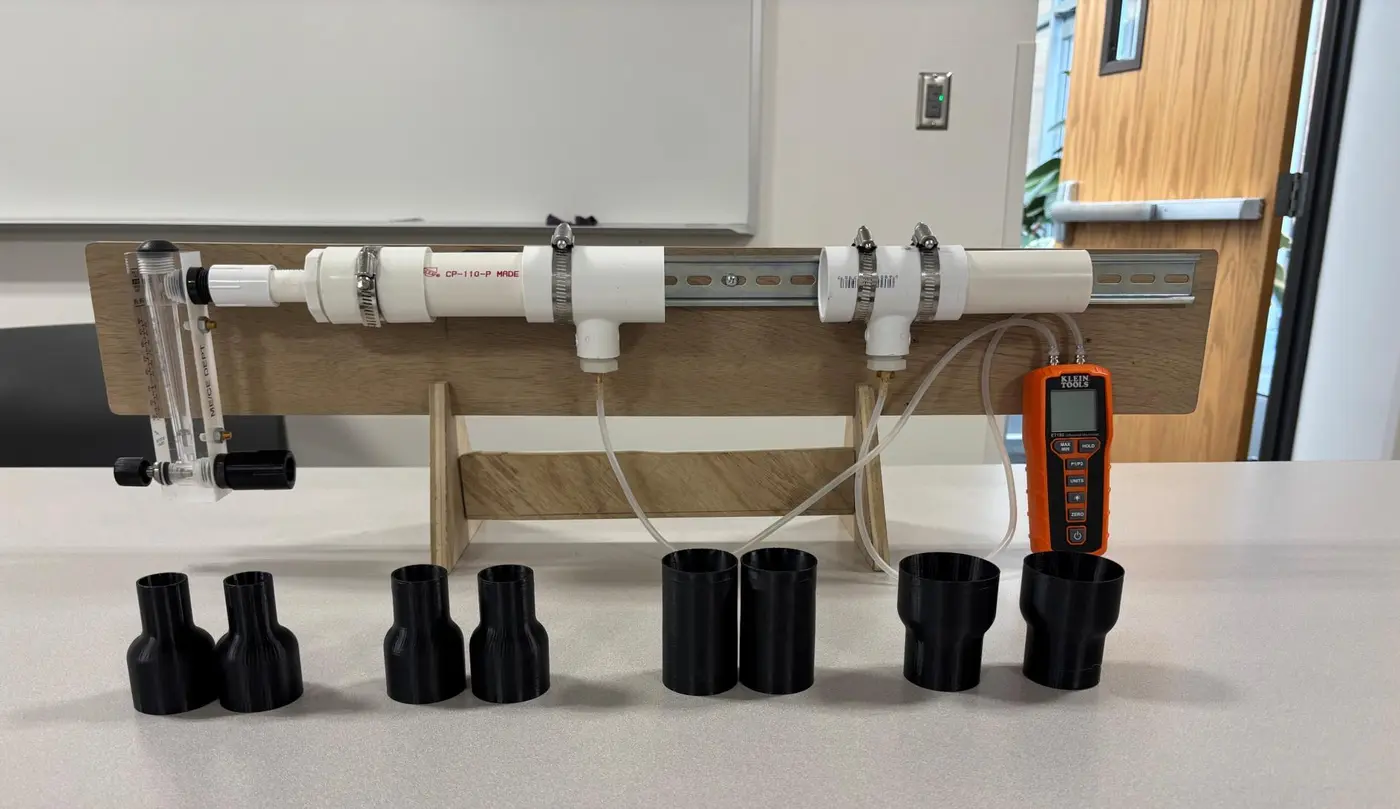
ME 490 special problem: vent-filter research for a rotational molding supplier. I control how the media is packed and compare materials before and after molding.
Ongoing · Fall 2026More from the shop.
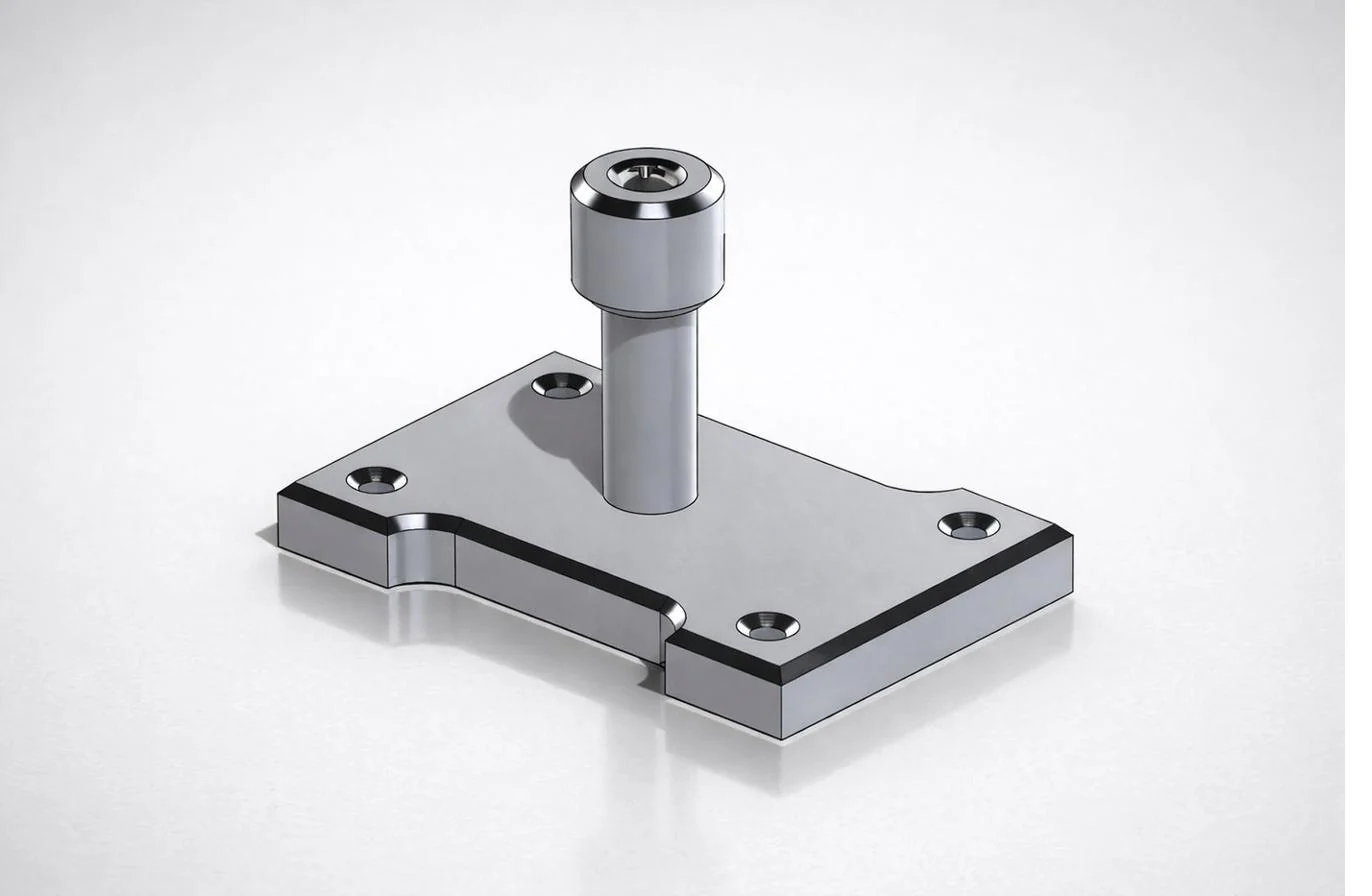
A SolidWorks model carried through machining and physical inspection.
0.001 in tolerance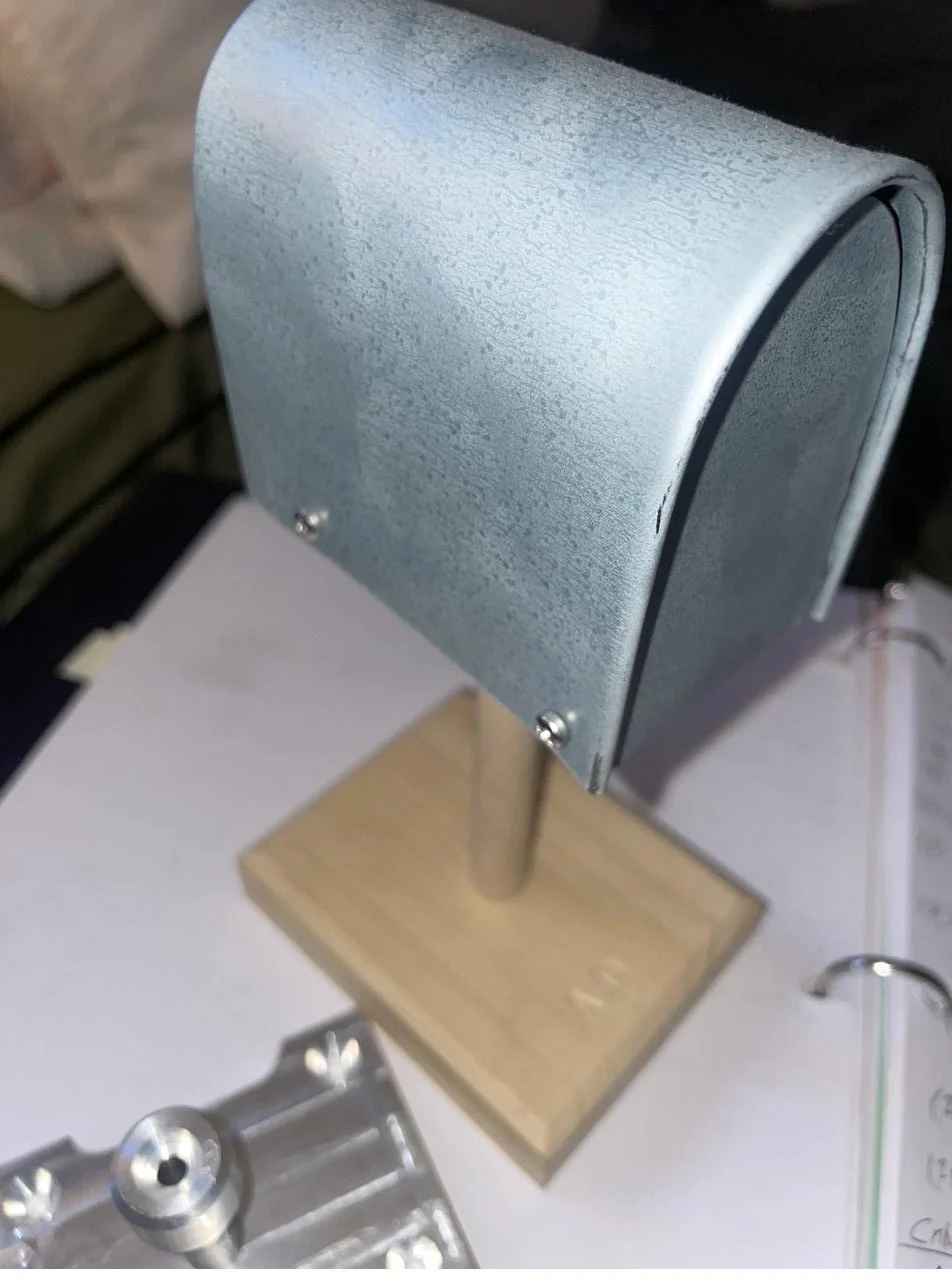
A fabrication project involving metal forming, fastening, and dimensional checks.
±1/32 in fabrication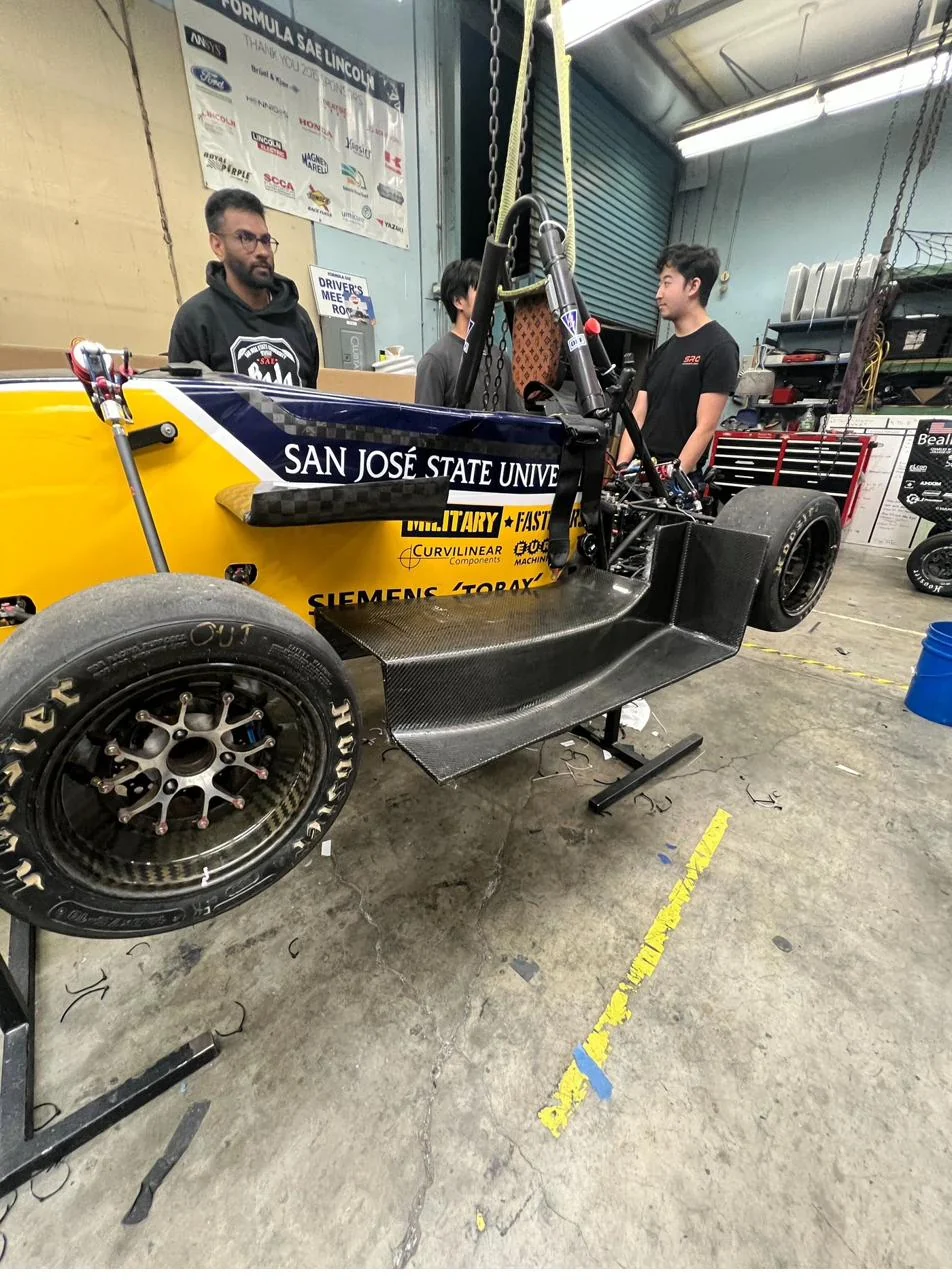
Six months supporting the wheel and suspension build for San José State’s Formula SAE team.
6 months, wheel + suspension corner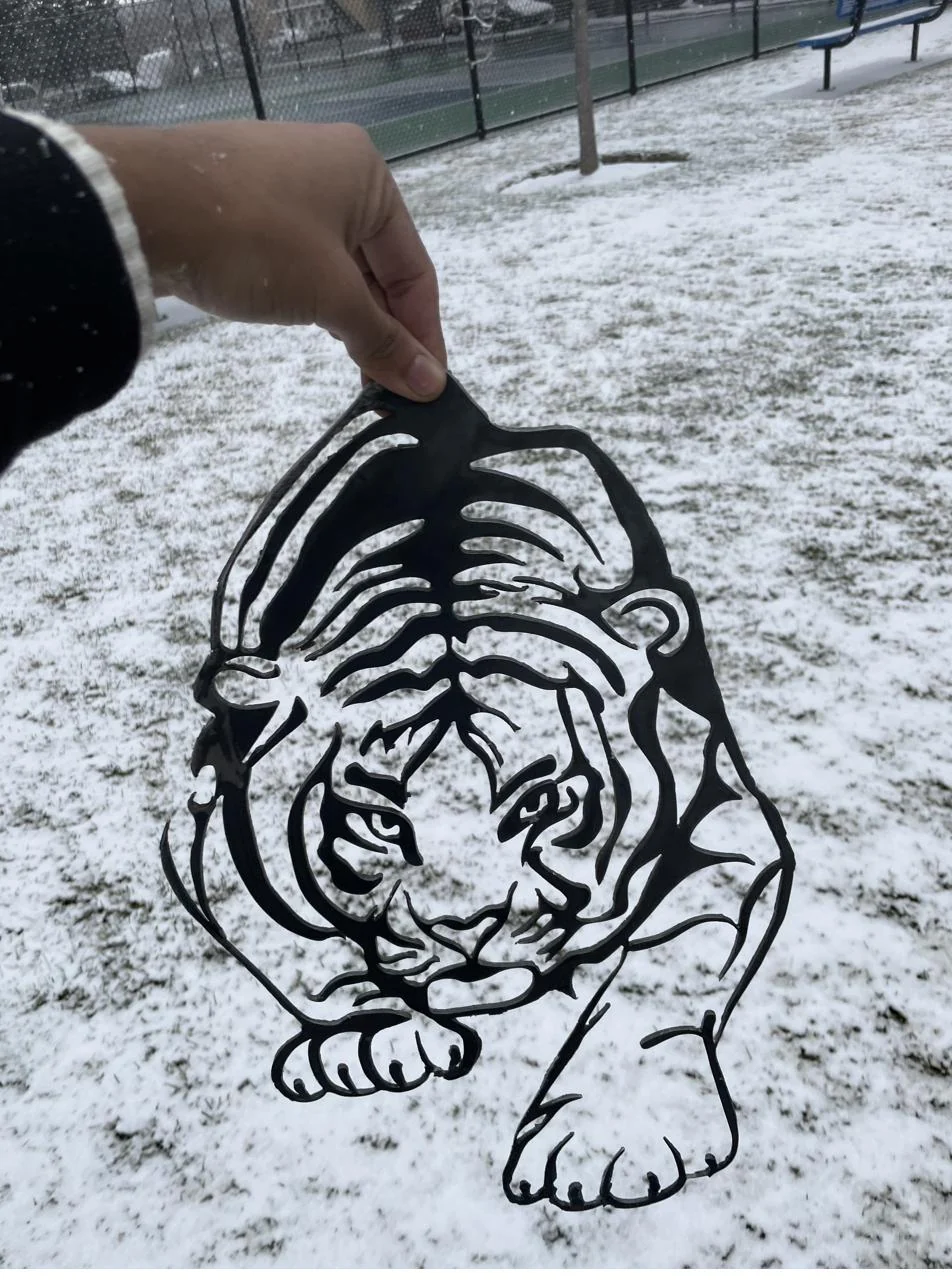
A SolidWorks pattern cut from quarter-inch steel and finished by hand.
0.25 in steel, hand-finishedExperience
How I work
Building and testing show me where a design needs work. These are a few lessons I’ve carried into the next project.
Thermogate’s thermistor was picking up heat inside its enclosure. Moving it outboard helped it measure the surrounding air.
My gearbox looked ready in CAD, but the screw heads interfered during assembly. A countersunk chamfer gave them the clearance they needed.
For the rat trap actuator, I used static FEA to evaluate loading, then cycled the mechanism more than 80 times to check its behavior.
During my internship, I wrote procedures that made machine-floor knowledge easier for the next person to use.
Engineering studies
Coursework in thermodynamics, fluid dynamics, and mechanical design gave me opportunities to investigate problems beyond the physical builds.
View engineering studies →